The 5 Biggest College Football Controversies
College football has never been short of scandal. Wherever there is big money, devoted boosters and relentless pressure to win, rule-breaking tends to follow, and a handful of cases have reshaped how the NCAA polices the sport.
Below are the five biggest controversies in college football history, from the only program ever shut down by the NCAA to the sign-stealing scheme that shadowed a national champion. For readers who like a flutter away from the field, here is an online casino bonus.
1. The SMU Death Penalty

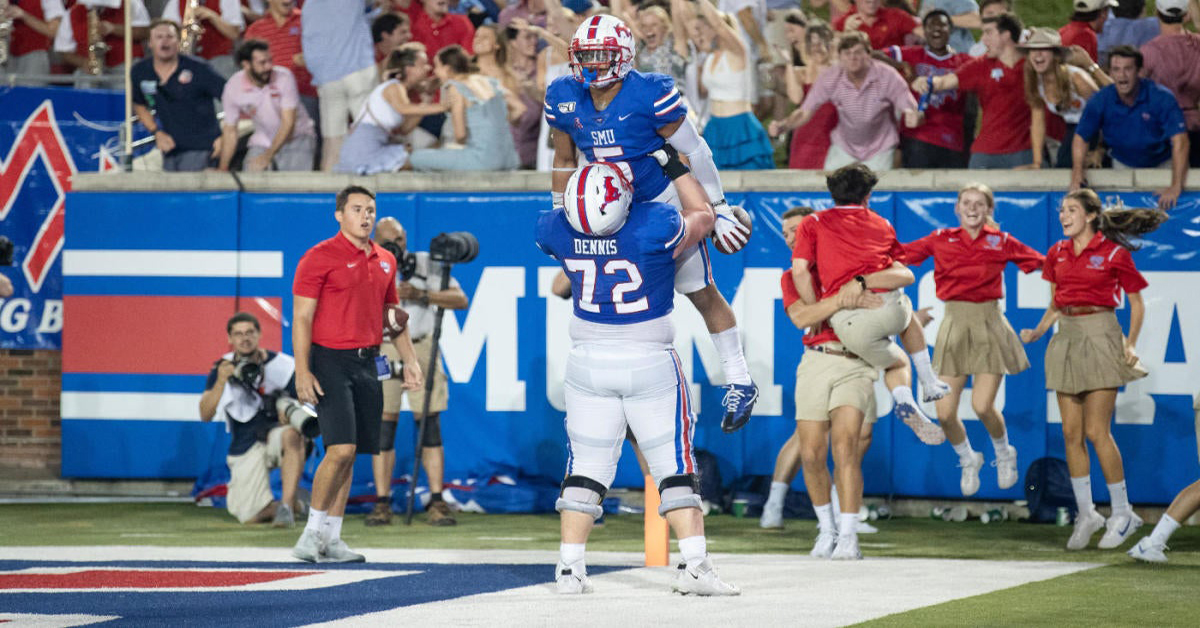
In the early 1980s, Southern Methodist University rose from Southwest Conference also-ran to national power behind the “Pony Express” backfield of Eric Dickerson and Craig James. The rise was funded by a booster-run slush fund that kept paying players even after the NCAA had put the program on probation.
On February 25, 1987, the NCAA used its repeat-violator rule to cancel SMU’s 1987 season, the punishment that became known as the “death penalty.” SMU then chose not to play in 1988 either. It remains the only time a major college football program has been shut down, as ESPN has chronicled.
The road back took nearly four decades. SMU only returned to a power conference when it joined the ACC in 2024, and in its first season there it reached the ACC Championship Game and earned its first College Football Playoff berth.
2. The Reggie Bush Scandal

USC under Pete Carroll was the dominant program of the mid-2000s. The Trojans won the 2003 AP national title, routed Oklahoma for the 2004 BCS championship and played Texas for a third title in the Rose Bowl after the 2005 season. Carson Palmer, Matt Leinart and Reggie Bush all won the Heisman Trophy during that run.
After Bush left for the NFL, investigators found that he and his family had accepted money and gifts from would-be sports marketers. In 2010 the NCAA gave USC a two-year postseason ban, took away 30 scholarships and vacated the 14 wins Bush played in, including the 2004 BCS title game. Bush forfeited his Heisman the same year.
The sport has since changed beneath the scandal. With players now free to earn money from their name, image and likeness, the Heisman Trust reinstated Bush as the 2005 winner in April 2024.
3. Penn State and the Sandusky Scandal
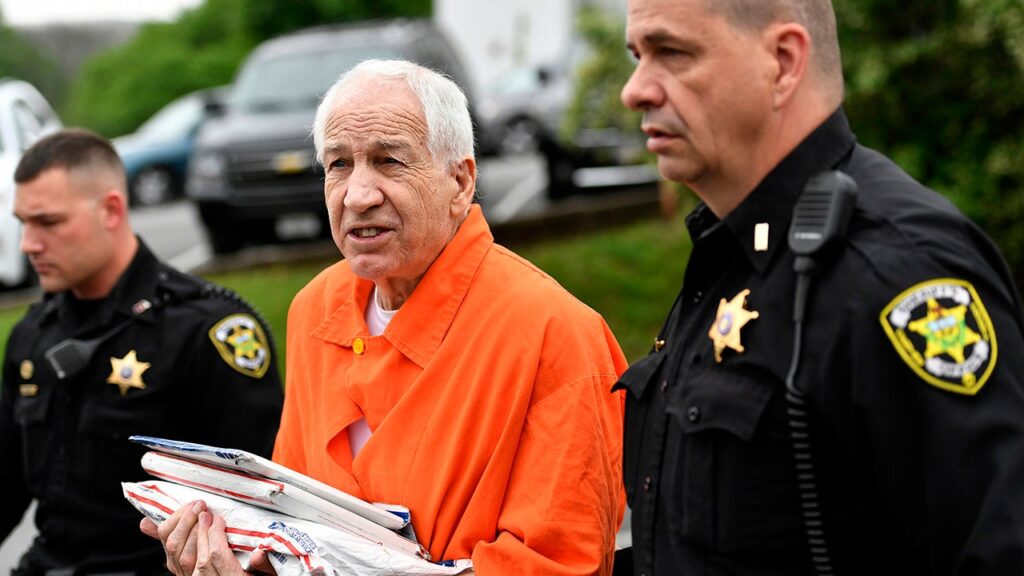
No scandal in college sports has been darker. In November 2011, former Penn State defensive coordinator Jerry Sandusky was charged with sexually abusing boys over a period of at least 15 years, some of it on university property.
Sandusky was convicted on 45 counts in June 2012 and sentenced to 30 to 60 years in prison. Head coach Joe Paterno was fired days after the charges were filed and died of lung cancer in January 2012. An investigation led by former FBI director Louis Freeh concluded that senior university officials, Paterno among them, had failed to act on what they knew, findings the Paterno family has disputed.
In July 2012 the NCAA fined Penn State $60 million, banned it from the postseason for four years, cut its scholarships and vacated 111 wins from 1998 to 2011. Several of the penalties were later eased, and the wins were restored in 2015.
4. The Miami Booster Scandal

In August 2011, Yahoo Sports published an investigation in which jailed booster Nevin Shapiro said he had given improper benefits to dozens of Miami athletes between 2002 and 2010, from cash and jewelry to yacht trips and nights out. Shapiro was serving a 20-year sentence for running a $930 million Ponzi scheme.
The NCAA’s own investigation became an embarrassment when it emerged that enforcement staff had improperly worked with Shapiro’s criminal defense attorney to gather evidence. Miami voluntarily sat out the 2011 and 2012 bowl seasons, and when the NCAA finally ruled in October 2013 it added three years of probation and the loss of nine football scholarships.
5. Michigan Sign Stealing
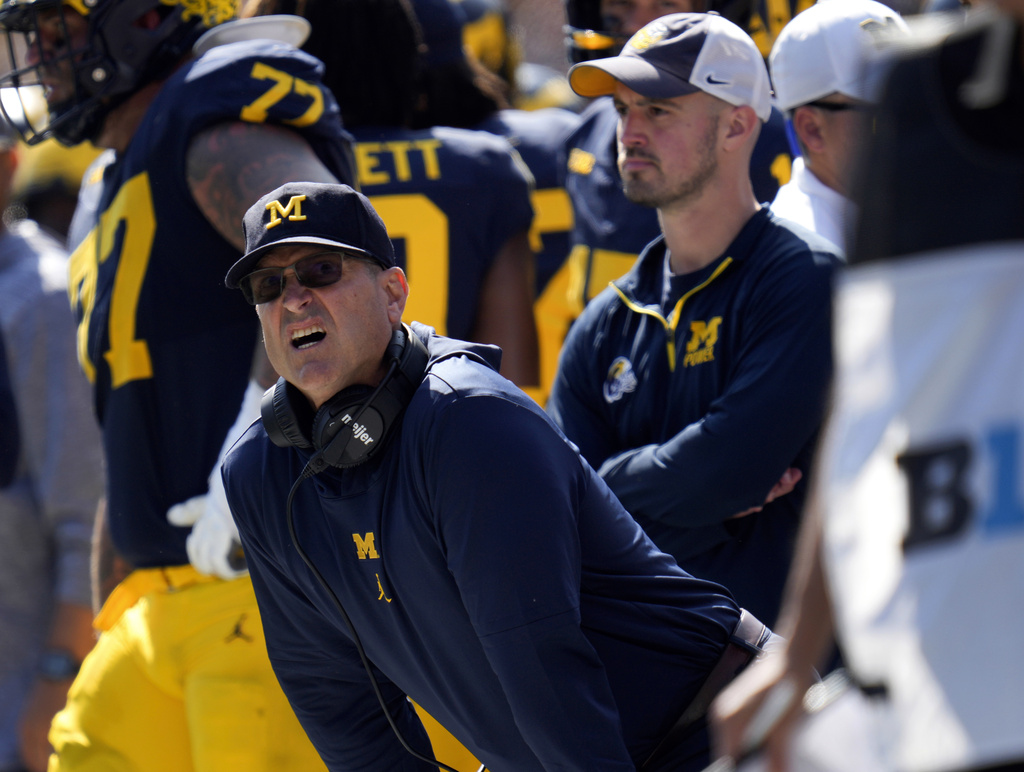
The most recent scandal broke in October 2023, when reports revealed that Michigan staffer Connor Stalions had run an elaborate operation to scout future opponents in person, which NCAA rules ban, and decode their sideline signals.
The Big Ten suspended head coach Jim Harbaugh for Michigan’s final three regular-season games of 2023, and Stalions resigned. Michigan still went on to win the national championship, and Harbaugh left in January 2024 to coach the Los Angeles Chargers.
The NCAA ruled in August 2025. Michigan was placed on four years of probation and hit with fines expected to exceed $20 million, but kept its 2023 title. Harbaugh received a 10-year show-cause order and Stalions an eight-year one, as PBS NewsHour reported.
The Penalties at a Glance
| Scandal | NCAA ruling | Headline penalty |
|---|---|---|
| SMU pay-for-play | 1987 | 1987 season cancelled (“death penalty”) |
| USC / Reggie Bush | 2010 | Two-year bowl ban, 30 scholarships, 14 wins vacated |
| Penn State / Sandusky | 2012 | $60 million fine, four-year bowl ban, 111 wins vacated (later restored) |
| Miami / Nevin Shapiro | 2013 | Three years’ probation, nine scholarships, plus self-imposed bowl bans |
| Michigan sign stealing | 2025 | Fines expected to top $20 million, four years’ probation, 10-year show-cause for Harbaugh |
Each of these cases pushed the NCAA to rethink its rules, whether on booster involvement, institutional control or in-person scouting. For more on the coaches who built the sport’s great programs the right way, see our ranking of the greatest college football coaches.
Keep reading
- How Many Players Are On A College Football Team?
- Best College Football Uniforms
- Top 5 College Football Recruits of 2025
- 25 Greatest Arkansas College Football Players Ever
- 20 Best College Football Players From Canada
- DKR-Texas Memorial Stadium Gameday Guide: Tickets, Parking, Bag Policy and Traditions
- College Sports Hall of Fame: every ranking
- All college football stadium guides